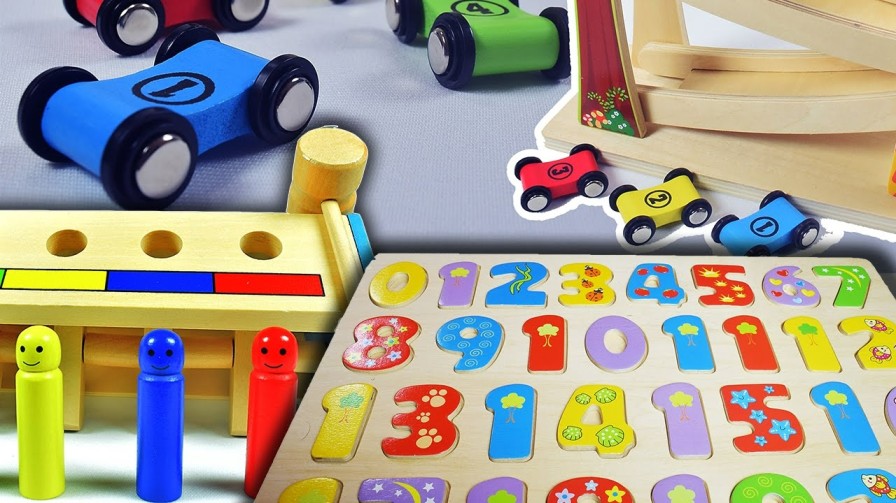
Educational Toys: A Comprehensive Guide to Fun and Learning
Introduction
Educational toys have revolutionized the way children learn and play. These toys are designed to promote cognitive, emotional, and social development, making them an essential part of childhood education. Whether it’s puzzles, building blocks, STEM kits, or interactive learning games, educational toys provide a solid foundation for lifelong learning. In this guide, we’ll explore the importance of educational toys, their benefits, and the best options available for different age groups.
The Importance of Educational Toys
Educational toys are more than just playthings; they serve as tools that enhance learning in a fun and engaging manner. Here are some reasons why they are crucial:
- Enhance Cognitive Skills – Problem-solving, critical thinking, and analytical skills are developed through interactive learning.
- Improve Motor Skills – Fine and gross motor skills are enhanced through activities like stacking blocks, coloring, and assembling models.
- Encourage Creativity and Imagination – Toys like building sets and art kits inspire children to think outside the box.
- Boost Social and Emotional Growth – Playing with peers helps in understanding teamwork, patience, and emotional intelligence.
- Promote Early STEM Learning – Science, Technology, Engineering, and Mathematics (STEM) toys help children grasp fundamental concepts at an early age.
Types of Educational Toys
Educational toys are available in various categories, each targeting different aspects of a child’s development.
1. Cognitive Development Toys
These toys help boost brain functions, improve memory, and enhance problem-solving skills. Examples include:
- Jigsaw puzzles
- Memory games
- Shape sorters
- Number and alphabet blocks
2. Motor Skills Development Toys
These toys aid in refining hand-eye coordination, dexterity, and overall motor skills. Examples include:
- Stacking cups
- Bead mazes
- Play dough sets
- Lacing and threading toys
3. STEM Educational Toys
These toys introduce young minds to the world of science, technology, engineering, and mathematics. Examples include:
- Robotics kits
- Coding games
- Microscope sets
- Circuit-building kits
4. Language and Literacy Toys
Language development toys help children expand their vocabulary and comprehension. Examples include:
- Phonics learning toys
- Flashcards
- Storytelling kits
- Magnetic letter sets
5. Arts and Crafts Toys
These toys encourage creativity and self-expression through artistic activities. Examples include:
- Painting and coloring sets
- DIY craft kits
- Musical instruments
- Modeling clay
6. Social and Emotional Development Toys
These toys promote empathy, cooperation, and emotional intelligence. Examples include:
- Dollhouses and figurines
- Role-playing sets (doctor, chef, police)
- Board games
- Cooperative storytelling games
Best Educational Toys for Different Age Groups
Choosing age-appropriate toys is essential to maximize their benefits. Here’s a breakdown based on different age categories.
Infants (0-12 Months)
At this stage, sensory stimulation is key. Recommended toys include:
- Soft rattles
- High-contrast books
- Sensory balls
- Musical mobiles
Toddlers (1-3 Years)
Toddlers begin exploring their environment and developing fine motor skills. Recommended toys include:
- Stacking rings
- Shape sorters
- Simple puzzles
- Push and pull toys
Preschoolers (3-5 Years)
Preschoolers develop problem-solving skills and creativity. Recommended toys include:
- Building blocks (LEGO, Mega Bloks)
- Alphabet and number puzzles
- Arts and crafts kits
- Play kitchens and toolsets
School-Age Children (6-12 Years)
Children in this age group are ready for more complex toys that challenge their thinking. Recommended toys include:
- Robotics and coding kits
- Science experiment sets
- Strategy board games
- Musical instruments
Teenagers (13+ Years)
Teenagers benefit from advanced educational toys that refine their skills and interests. Recommended toys include:
- 3D puzzle models
- Advanced electronics kits
- VR learning games
- Chess and logic games
How to Choose the Right Educational Toy
With so many options available, choosing the right toy can be overwhelming. Here are some tips to help you make the best choice:
- Consider the Child’s Age and Developmental Stage – Ensure the toy is age-appropriate and aligns with the child’s skill level.
- Focus on Interests – Choose toys that align with the child’s interests, whether it’s science, art, or music.
- Ensure Safety – Avoid toys with small parts for younger children to prevent choking hazards.
- Look for Multi-Functional Toys – Toys that offer various ways to play provide long-term engagement and value.
- Encourage Social Interaction – Board games and role-playing toys foster cooperation and teamwork.
Benefits of Educational Toys
Educational toys offer a wide range of benefits, including:
1. Improves Academic Performance
By making learning enjoyable, educational toys help children grasp academic concepts more easily.
2. Boosts Self-Confidence
Solving puzzles and completing challenges gives children a sense of achievement and builds confidence.
3. Enhances Communication Skills
Interactive toys encourage children to express themselves, improving language and communication skills.
4. Supports Emotional Development
Dolls, role-playing games, and storytelling toys help children understand emotions and empathy.
5. Encourages Independent Learning
Self-exploration with educational toys fosters independence and self-motivation in children.
Top Brands for Educational Toys
Some reputable brands that specialize in high-quality educational toys include:
- LEGO – Known for building blocks that inspire creativity and problem-solving.
- Melissa & Doug – Offers a wide range of classic wooden educational toys.
- Fisher-Price – Specializes in infant and toddler learning toys.
- Osmo – Provides interactive learning experiences using digital technology.
- VTech – Creates electronic learning toys for different age groups.
DIY Educational Toys
If you prefer a hands-on approach, you can create educational toys at home using simple materials:
- Sensory Bins – Fill a container with rice, beans, or sand and hide small objects for a sensory exploration game.
- Homemade Puzzles – Cut images into pieces to create custom puzzles.
- Bottle Bowling – Fill empty bottles with water and use a small ball to play indoor bowling.
- Alphabet Matching – Write letters on bottle caps and match them with corresponding words or pictures.
Conclusion
Educational toys play a vital role in childhood development by making learning an enjoyable experience. From cognitive growth to emotional intelligence, these toys contribute significantly to a child’s overall well-being. Whether purchasing ready-made educational toys or creating DIY versions at home, investing in interactive and stimulating play ensures children have a bright and creative future. Choose wisely, and let the journey of fun and learning begin!